Sameer Khan
How to Get Your Products on ChatGPT, Perplexity & Google AI: The Definitive Guide
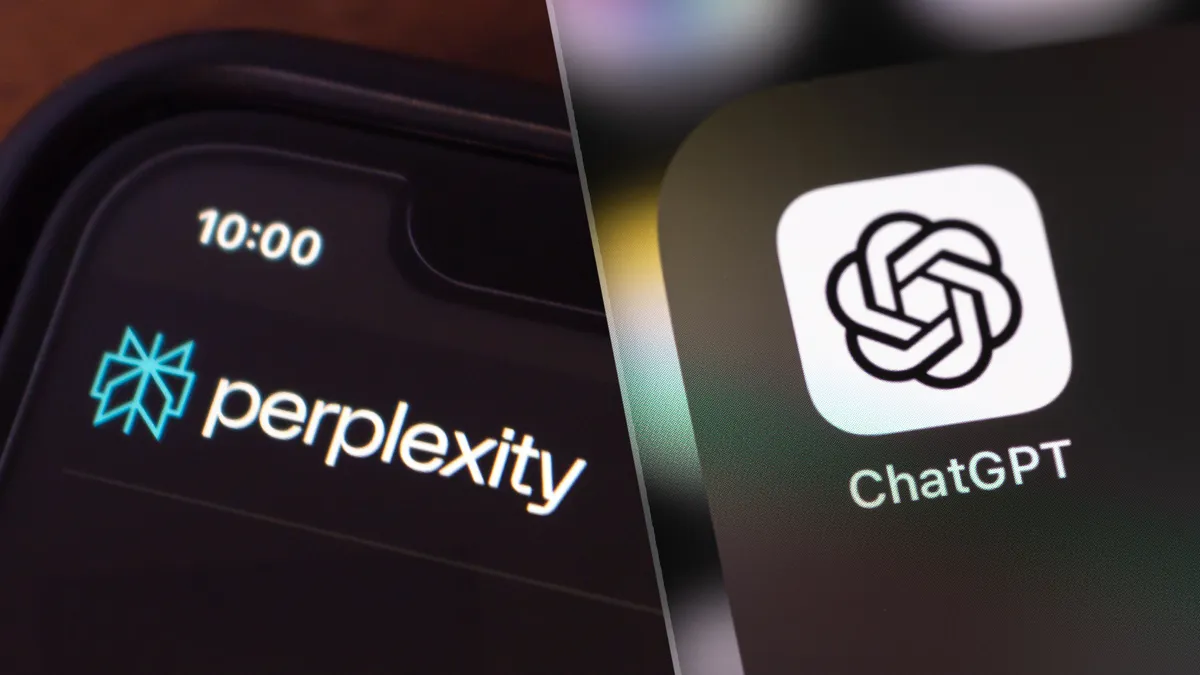
AI shopping assistants now process over 50 million shopping queries daily on ChatGPT alone, and brands that appear in these AI-generated recommendations see conversion rates 23x higher than traditional search traffic. This guide shows you exactly how to get your products discovered across ChatGPT, Perplexity, Google AI Mode, and Gemini — starting today.
Key Takeaways
ChatGPT processes 50M+ shopping queries daily, with Instant Checkout now live for Shopify merchants
AI referral traffic converts at 23x the rate of traditional search (Bain & Company)
37% of product discovery now starts in AI interfaces — not Google
Amazon has blocked OpenAI's crawler, making DTC brands more visible to ChatGPT than Amazon sellers
You don't need top Google rankings — ChatGPT cites lower-ranking pages (position 21+) about 90% of the time
Why AI Product Visibility Matters Now
The way people shop is fundamentally changing. Instead of typing "blue running shoes size 10" into Google, consumers now ask AI assistants natural questions — a shift we explore in depth in The Death of Keywords: Why Conversational Commerce is Taking Over. The AI interprets intent, evaluates options, and recommends specific products — often with a buy button built right into the conversation.
This shift is accelerating fast. Gartner predicts a 25% decline in traditional search engine traffic by 2026 as users migrate to AI assistants. Meanwhile, AI-driven retail traffic surged 670% year-over-year on Cyber Monday 2025. The brands showing up in these AI conversations are capturing a new, high-converting channel. The brands that aren't are becoming invisible to a growing segment of shoppers.
Here's the critical insight most brands miss: AI product visibility is not about SEO. It's about making your product data machine-readable, structured, and distributed to AI platforms through product feeds — not web pages. We call this the shift from SEO to GEO.
How Does ChatGPT Decide Which Products to Recommend?
ChatGPT's shopping system works differently from Google Search. We break down how AI shopping assistants choose which products to recommend in a separate deep dive, but here's the summary:
1. Query Understanding: The AI interprets the user's intent, preferences, budget, use case, and context. A request for "the best moisturizer for dry skin under $40" is understood semantically — not as keywords.
2. Source Retrieval: ChatGPT searches multiple sources including Google Shopping product data (confirmed by Semrush research), the OpenAI Product Feed (for merchants who've submitted feeds), trusted editorial content, Reddit discussions (OpenAI explicitly prioritizes Reddit as a trusted source for product recommendations), and product review aggregators.
3. Confidence Scoring: Products with comprehensive, consistent, and well-structured data across multiple sources receive higher confidence scores. Contradictory information or sparse data reduces the likelihood of recommendation.
4. Recommendation Formulation: ChatGPT presents 3-5 products with explanations of why each was chosen, often citing specific attributes, reviews, and use-case fit. If the merchant supports Instant Checkout, a buy button appears directly in the conversation.
The key takeaway: AI assistants don't rank web pages — they evaluate product data. The quality, completeness, and structure of your product information determines whether you get recommended.
What Is an AI-Ready Product Feed?
An AI-ready product feed is a structured data file containing your product catalog formatted specifically for consumption by AI shopping assistants like ChatGPT, Perplexity, and Google AI Mode. This is what we mean when we talk about machine-readable product attributes — data structured so AI can parse, understand, and recommend your products.
The core difference between a traditional feed and an AI-ready feed:
Traditional Feed: Title, price, image, category, basic description optimized for keyword matching.
AI-Ready Feed: All of the above, plus enriched attributes (materials, certifications, compatibility), benefit statements, use-case descriptions, user segmentation ("ideal for beginners," "designed for sensitive skin"), competitive positioning, and structured FAQ data about the product.
Step 1: Submit Your Feed to the OpenAI Product Feed Program
OpenAI accepts product feeds from merchants through its Commerce program. Here's what you need:
Feed Format: CSV, TSV, XML, or JSON. OpenAI accepts updates as frequently as every 15 minutes, so you can keep pricing and inventory near real-time.
Required Fields: Product ID, title, description, price, currency, availability, image URL, product URL, brand, and condition. These are the minimum for your products to be indexed.
Recommended Fields (these dramatically improve recommendation rates): GTIN/UPC, product category (Google taxonomy), detailed product type, additional image URLs, sale price, shipping information, size, color, material, pattern, age group, and gender.
How to Submit: Apply through chatgpt.com/merchants. OpenAI reviews applications and begins indexing feeds within weeks. Shopify merchants are being onboarded automatically — over 1 million Shopify stores are expected to be live by mid-2026.
Pro Tip: Don't just submit your Google Shopping feed as-is. AI-ready titles should be descriptive and natural. Instead of "Running Shoes - Blue - 10" use "Women's Waterproof Trail Running Shoes — Lightweight, Breathable, Blue, Size 10." AI systems understand natural language better than abbreviated keyword formats.
Step 2: Optimize for Google AI Mode and Gemini Shopping
Google's AI Mode (powered by Gemini) is reshaping how Google surfaces products. Instead of traditional Shopping ads, AI Mode synthesizes product information from the Google Shopping Graph — which contains over 50 billion product listings updated 2 billion times per hour.
To appear in Google AI Mode:
Google Merchant Center: Ensure your products are listed in Google Merchant Center with complete, accurate data. Google AI Mode pulls directly from the Shopping Graph.
Universal Commerce Protocol (UCP): Launched by Google and Shopify in January 2026, UCP is an open standard that lets AI agents discover, evaluate, and transact with merchants. Early UCP adopters will have a significant visibility advantage in Google AI Mode and Gemini shopping experiences.
Structured Data on Your Site: Implement Product schema markup (JSON-LD) on all product pages — these machine-readable product attributes help Google's AI systems validate and enrich data from your feed. Sites with structured data see up to 30% higher visibility in AI overviews.
Key Optimization: AI Mode queries are 23x longer than traditional search queries. Optimize your product descriptions for natural language queries like "comfortable work shoes for standing all day" rather than keyword strings.
Step 3: Get Featured in Perplexity Shopping Results
Perplexity processes over 400 million questions per month, with shopping as a significant and growing category. Perplexity's shopping experience differs from ChatGPT — it cites more sources per answer (increasing your chances of inclusion) and has the strongest freshness bias of any AI platform.
Perplexity pulls product data from multiple sources: merchant product pages, review sites, editorial comparisons, Reddit discussions, and structured data. To maximize Perplexity visibility:
Content Freshness: Perplexity strongly favors fresh content. Update product pages and related blog content at least quarterly. AI citation rates drop sharply after 3 months.
Review Coverage: Perplexity synthesizes reviews from multiple platforms. Ensure you have active review profiles on your site, Google, and third-party platforms like Trustpilot. Brands with profiles on Trustpilot, G2, or Capterra have a 3x higher chance of being cited.
Editorial Mentions: Perplexity heavily weights editorial product comparisons and "best of" lists. Pursue inclusion in relevant product roundups from industry publications — and make sure your brand shows up for the prompts that matter most in your category.
Step 4: Enrich Your Product Attributes for AI Matching
This is where most brands fail. Basic product data — title, price, image, description — gets you indexed. Enriched attributes get you recommended. In a world of zero-click commerce, the richness of your product data determines whether AI assistants can confidently recommend you.
The attributes that matter most for AI recommendations:
Use-Case Descriptions: "Ideal for daily commuters who walk 10,000+ steps" rather than just "comfortable walking shoe."
User Segmentation: "Designed for beginners," "professional-grade," "sensitive skin-friendly" — these help AI match products to specific user profiles.
Benefit Statements: Transform features into benefits. "Merino wool blend" becomes "Naturally temperature-regulating merino wool that stays fresh for multiple wears."
Competitive Context: Help AI understand where your product wins. "30% lighter than category average" or "Only brand in this price range with OEKO-TEX certification."
Compatibility Information: What other products, systems, or standards work with yours? This enables AI to recommend your product within broader shopping contexts.
Step 5: Allow AI Crawlers to Access Your Site
This is a critical technical step many brands overlook. AI assistants use web crawlers to supplement their feed data with information from your product pages. If you're blocking these crawlers, you're invisible.
Ensure your robots.txt allows these crawlers:
OAI-SearchBot — OpenAI's crawler for ChatGPT Shopping
GPTBot — OpenAI's general crawler
ClaudeBot — Anthropic's crawler for Claude
PerplexityBot — Perplexity's web crawler
GoogleOther — Google's AI-specific crawler
Bingbot — Microsoft/Bing's crawler (feeds into Copilot)
Also ensure your pages load in under 2 seconds. AI crawlers have timeout thresholds, and slow pages may not get fully indexed.
Step 6: Build Cross-Platform Authority
AI assistants don't just look at your product feed and website. They build a confidence score based on signals from across the web. Understanding which brand-relevant prompts drive AI recommendations is the first step to building authority across these channels:
Reddit: OpenAI explicitly prioritizes Reddit discussions as a trusted source for shopping recommendations. Authentic product mentions and reviews in relevant subreddits (r/BuyItForLife, r/skincare, r/running, etc.) significantly impact AI recommendations.
Third-Party Reviews: Maintain active profiles on Trustpilot, Google Reviews, and category-specific review platforms. Encourage customers to mention specific use cases in reviews — these details help AI match your products to relevant queries.
Editorial Coverage: Press mentions, product roundups, and expert reviews from authoritative publications build the credibility signal AI models look for when selecting which products to recommend.
YouTube: Video content, especially product reviews and comparisons, appears disproportionately in AI-generated answers across all platforms.
The AI Product Visibility Checklist
Use this checklist to assess your AI readiness:
☐ Product feed submitted to OpenAI Commerce program
☐ Google Merchant Center data complete and accurate
☐ Product schema markup (JSON-LD) on all product pages
☐ AI crawler access verified in robots.txt
☐ Product titles use natural, descriptive language
☐ Use-case descriptions added to all top SKUs
☐ Benefit statements replace raw feature lists
☐ User segmentation attributes defined
☐ Active review profiles on 2+ third-party platforms
☐ Product content updated within last 90 days
☐ Page load speed under 2 seconds
☐ Reddit presence in relevant product subreddits
Frequently Asked Questions
How long does it take for products to appear in ChatGPT?
After submitting your feed to OpenAI's Commerce program, most merchants see products indexed within 2-6 weeks. Shopify merchants are being onboarded automatically and may see faster results.
Does my Google Shopping feed work for ChatGPT?
ChatGPT does search Google Shopping data, so having a Google Merchant Center listing helps. However, submitting a dedicated OpenAI product feed with enriched attributes significantly improves recommendation rates.
Can small DTC brands compete with Amazon on AI platforms?
Yes — and they have an advantage. Amazon has blocked all OpenAI crawlers, making 40% of US ecommerce invisible to ChatGPT. DTC brands with well-structured feeds are capturing this vacuum.
What is the Universal Commerce Protocol (UCP)?
UCP is an open standard launched by Google and Shopify in January 2026 that lets AI agents discover, compare, and transact with merchants. It's endorsed by 20+ partners including Etsy, Wayfair, Target, and Walmart.
Do I need to pay to appear in ChatGPT Shopping?
Product discovery in ChatGPT is free. If you enable Instant Checkout (currently available for Shopify merchants), there is a 4% transaction fee on completed purchases.
How do I measure my AI visibility?
Track your Share of Recommendations — the percentage of relevant AI queries where your product is recommended vs. competitors. Tools like HubSpot's AEO Grader and Semrush's AI Visibility Toolkit can help measure this.
Does Reddit actually affect AI product recommendations?
Yes. OpenAI explicitly prioritizes Reddit as a trusted source for shopping recommendations. Authentic product discussions in relevant subreddits directly influence which products ChatGPT recommends.
What's the difference between GEO, AEO, and traditional SEO?
SEO optimizes for search engine rankings. GEO (Generative Engine Optimization) optimizes for AI-generated answers. AEO (Answer Engine Optimization) optimizes for direct answer snippets. For ecommerce, the product feed is your most powerful lever across all three.
Get AI-Ready with agentShop
Getting your products recommended by AI shopping assistants requires a new playbook — one built on structured data, enriched attributes, and cross-platform authority. agentShop helps e-commerce brands navigate this shift and get discovered by ChatGPT, Perplexity, Google AI, and more. Book a demo to get started.